- Hotline: +84915 747 329
- Email: info@buffalotours.vn




Hoian district and town is on the lower section of the Thu Bon River system. It is in the coastal plain of Quang Nam province, just 28 km to the Southeast of Danang City.
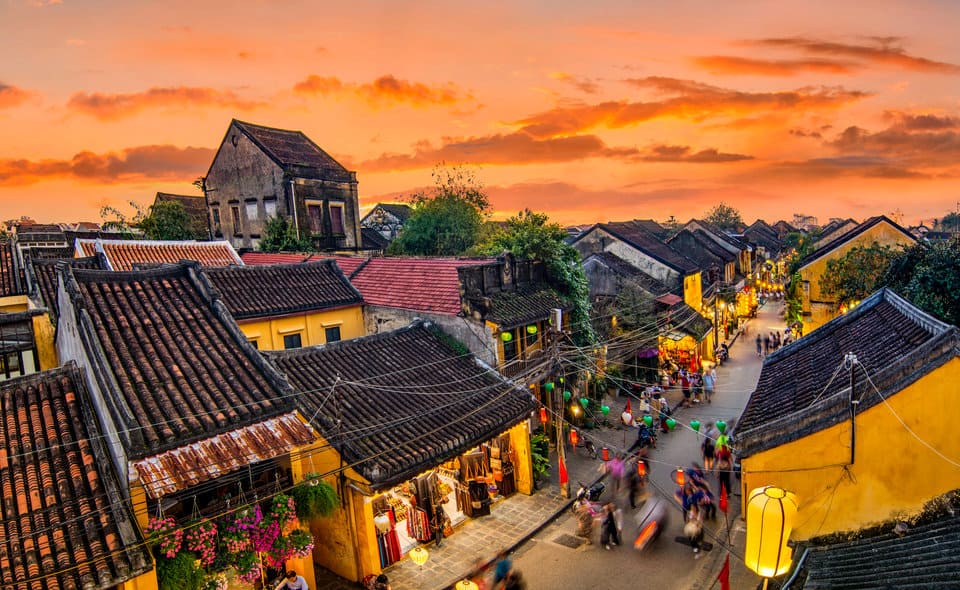
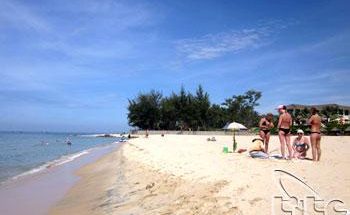
Hoian has a coast of 7 km with many nice beaches that are favourable for tourism development. Hoian also has a large fishery plentiful with sea products. About 15km from the Cua Dai beach lies the Cham archipelago (of 1,591 ha) where there are many famous sea swallow nests (bird nests) and good conditions to promote ecological tourism.
In the 16th and the 17th centuries, Hoi An commercial port was the international trade center in Southern Vietnam. Foreign merchant ships came to Hoi An in great numbers and a bustle for annually commercial fairs, each lasted from 4 to 6 months. Right in this town, Japanese, Chinese, Dutch, Indian traders set up their emporiums or established their own quarters for permanent habitation.
Thanks to fortunate opportunities, the old town of Hoi An, a unique concentration of architectural monuments of various forms: living house, assembly hall, communal house, pagoda, shrine, temple, water well, bridge, wharf, market…has been preserved rather intact. They are along the streets that cut one another, forming palaces and giving a good example of symbolic oriental cities in the Middle Age. So wonderful with its old aged and traditionally well kept habits and customs, the town is now an excellent model of a living museum of architecture and urban lifestyle. It is an outstanding material manifestation of the fusion of cultures over time in an international commercial port
On the 4th, December 1999 the Old Town of Hoi An was inscribed on the World Heritage list
Unesco.org